
Full EPC vs. Installation Contractor: Why It Matters for Your Commercial Solar Project
The choice between a full EPC and a pure installation contractor shapes risk, accountability and long-term performance. Here's how to think about it.
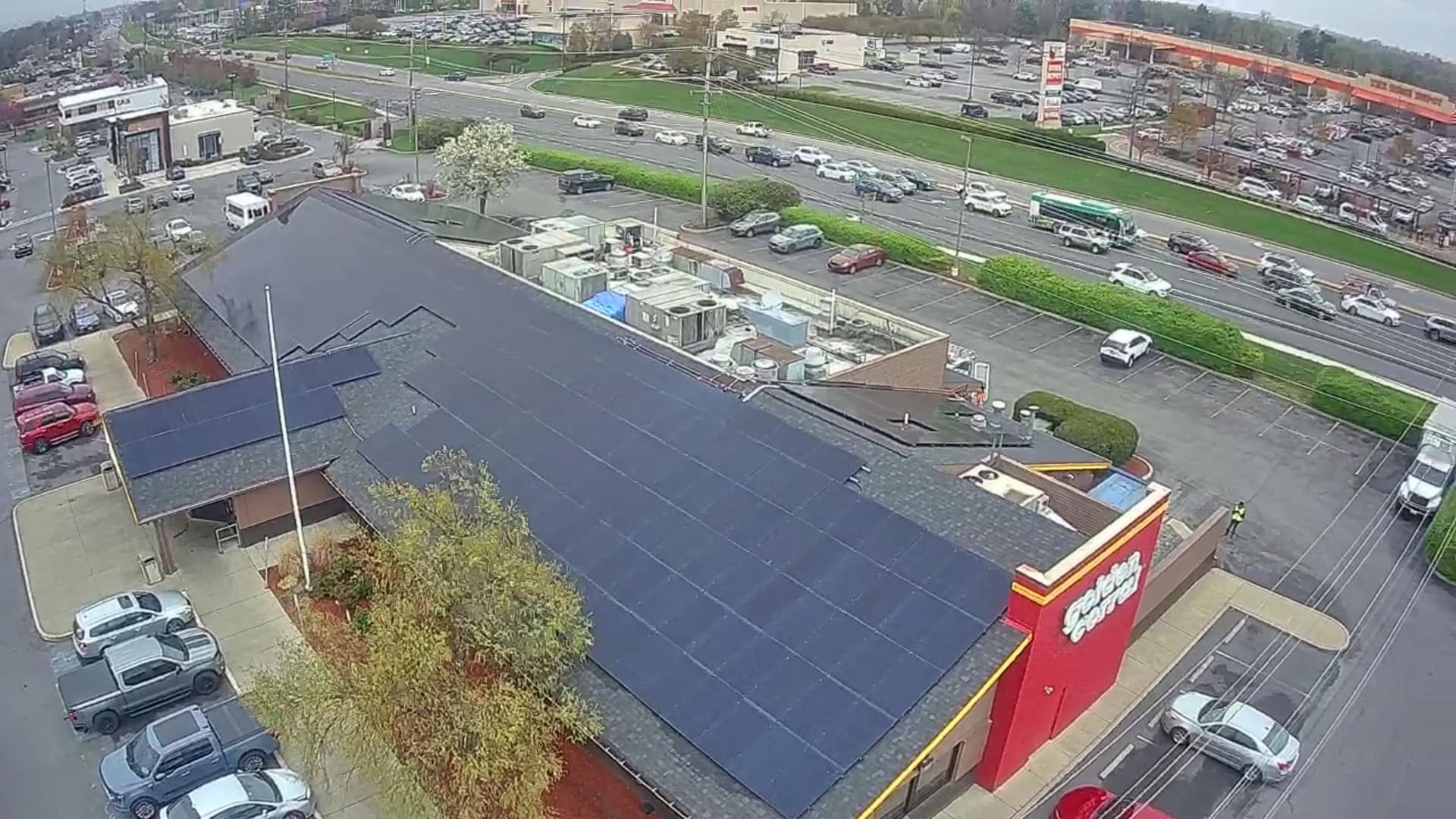
If you're scoping a commercial solar project, one of the first decisions you'll make is the type of partner you bring in. The two most common options are a full EPC (Engineering, Procurement, Construction) firm and a pure installation contractor working under someone else's design. The decision sounds technical, but it shapes every aspect of cost, schedule, performance and accountability.
What "full EPC" actually means
A full EPC owns the project from end to end. The same firm engineers the system, procures the materials, installs the array, commissions it, and (if needed) supports it through its lifecycle. There is one contract, one project manager, and, critically, one party that holds the entire result.
An installation contractor, on the other hand, executes someone else's design. They are typically not responsible for engineering, permitting, procurement, or commissioning. If something falls between the design and the install, the buyer is the one holding the gap.
Where projects actually go sideways
Most commercial solar projects don't fail because of bad engineering or bad installation in isolation. They fail in the seam, the handoff between engineering intent and field execution.
- Drawings that are accurate but don't reflect field constraints
- Material substitutions made in procurement without engineering review
- Conduit routing that meets the spec but blocks future maintenance
- Inverter and combiner placements that aren't serviceable
- Commissioning steps that get rushed because the GC pulled crews
When one team owns engineering and execution, those seams disappear. The same engineers who drew the system are accountable for what gets built, and the install crew has direct access to the engineers when reality differs from the drawings.
Five questions to ask any solar partner
- Are you the EPC, or are you executing someone else's design?
- Is your engineering in-house or subcontracted?
- Is your electrical scope in-house or subcontracted?
- Who owns commissioning, and what does "commissioning complete" mean to you?
- If a problem shows up in year 3, who do I call, and what do they own?
When an installation-only contractor is the right call
There are scenarios where bringing in a pure installer makes sense, most commonly when you already have a developer or master EPC carrying the engineering and procurement scope, and you need a high-quality installation partner under their direction. Even in that scenario, you want an installer who reads drawings critically, not one who just builds whatever they're handed.
The bottom line
Commercial solar is a 25-year asset. The party that engineers it, builds it, commissions it and supports it should, wherever possible, be the same party. That's not philosophy; that's accountability. The seam between design and execution is exactly where most performance issues live, and a full EPC eliminates the seam.