Roof Replacement and Solar: How to Handle Removal & Reinstallation the Right Way
R&R looks simple on paper. In the field, it's where most solar projects lose months and warranty coverage. Here's how to do it cleanly.
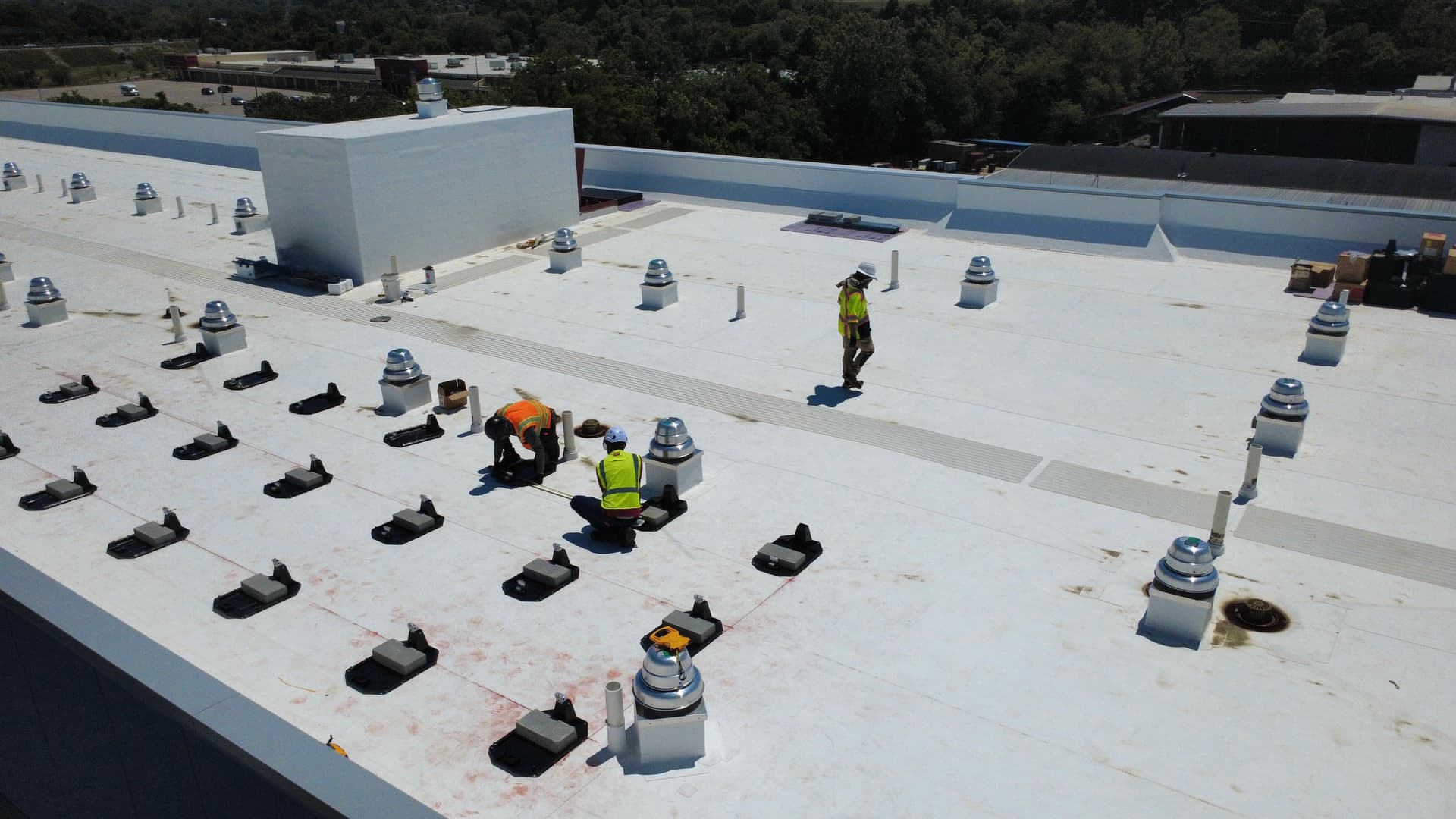
Replacing a roof underneath an existing solar array is one of the most underestimated operations in commercial solar. On paper, it's simple: pull the panels, redo the roof, put the panels back. In practice, it's where most projects lose months, blow budgets, and quietly forfeit warranty coverage.
If you're considering a roof replacement on a building with an active solar system, here's how to think about it.
Step 1: Audit the roof and the system together
The mistake most owners make is assuming the roof and the system are separate problems. They're not. The audit should cover both at once:
- Roof condition, remaining life, manufacturer warranty status
- Module performance, age, and degradation
- Inverter health, age, and warranty status
- Racking and flashing condition
- Code compliance gaps in the original install
The output of this audit should be a single phasing plan, not two separate plans handed off between trades.
Step 2: Decide on the reinstall scope
An R&R is a rare opportunity to upgrade the system without a full new-build. Decide whether you'll:
- Reinstall as-is (cheapest, fastest)
- Reinstall with new flashing and racking (often required for new roof warranty)
- Replace inverters or move to optimizers / microinverters
- Optimize the array layout (better setbacks, conduit, monitoring)
- Add storage during reinstallation
Roof manufacturer requirements often force at least new flashing, since the new roof's warranty depends on it. Don't skip that conversation.
Step 3: Coordinate trades, single source if possible
The most expensive R&R failures we see come from trades stepping on each other. The solar contractor pulls panels late, the roofer can't start, the schedule slips, the panels sit on a rack getting weathered. A single contractor managing both scopes (or coordinating tightly with the roofer) eliminates most of that risk.
Step 4: Document and re-commission
After reinstall, the system needs to be re-commissioned, not just reconnected. That includes:
- String-level performance testing
- Inverter logs review
- Monitoring re-activation and validation
- AHJ recommissioning where required
- Updated BOM and as-built documentation
Skipping re-commissioning means you'll discover problems six months later when production drops, without the labor on site to fix them efficiently.
The bottom line
An R&R isn't a chore. It's an opportunity to extend a 25-year asset by another decade, and often improve it along the way. Done right, you walk away with a new roof, an upgraded system, and clean documentation. Done wrong, you walk away with months of delays and a compromised warranty stack. The difference is in who is coordinating the work.